EDITORIAL
Hello World! Welcome to another edition of Beacon of Elegance Magazine "Beauty Edition ", thanks for all the love and support we continued to receive from our readers and subscribers via email
How to Grow Your Hair Out Quickly
It's always a struggle to grow hair out long and healthy, while still using heat on your hair. Sometimes it seems impossible to be able to put down the straightener and curling iron. Listed below are a few ways to keep hair healthy while still using hot tools!
Steps
1-Drink at least 8 glasses of water a day, Water keeps skin and hair hydrated. And keeps bodies healthy!
2- Use a good conditioner, "Moisturizing" shampoo doesn't really matter, whether it claims to be or not. Shampoo lathers, therefore each kind will strip your hair of its natural oils. But, conditioner always leaves a sort of "residue" in your hair, so it's better to have one that has good reviews and smells amazing.
When using conditioner, keep it 3–4 inches (7.6–10.2 cm) away from your roots. If you don't, your hair may come out looking a little greasy. No matter how long your conditioner bottle says to leave it on, always leave it on for three minutes for added moisture and shine.
3- Wash your hair regularly: but washing your hair too often can leave it without necessary oils; so wash your hair every 3rd day, and, also, when you do some unusually dirty/dusty activity. The scalp accumulates dirt, oil and dust which can cause the hair follicles to clog up. Regular washing is also beneficial to keeping that scalp clean and keeping the hair shaft clear.
Using specifically formulated products may also assist in increasing the rate of hair growth by feeding hair with essential proteins, amino acids, and nutrients to encourage long healthy and nice hair.
4- Always rinse hair products out of your hair with very cool water. It seals the cuticle and locks in moisture/oils, leaving your hair silky and smooth. If you rinse it with hot water that needed moisture and oil wash out, and you will notice that your hair is a lot frizzier, than if you rinse it with cool water.
5-Remember to use a heat protectant spray or lotion when using hot tools on your hair (curling irons, straighteners, dryers, crimpers, etc). It protects your hair from drying out, adds moisture, and helps prevent split ends.
6- Don't brush your hair when it's wet! Your hair isn't as strong when it's wet as it is when it's dry. A brush will snag at your hair when wet, causing breakage and split ends. Finger comb your hair, or spray in a detangler and comb it with a wide tooth comb.
7- Take a daily multivitamin! Vitamins keep our skin, hair, and nails healthy. Also, if you don't already take vitamins and you start taking them daily you may notice that your hair is growing a little faster.
8- Eat a lot of protein. It makes hair strong and healthy! Bacon and eggs, plants and especially legumes have plenty of proteins, too. In the long run, this is probably the healthier choice anyway - for you, your hair and the planet.
9- Only get split ends trimmed off when you need to. Remember that hair grows from the top of your head, not the ends. So if you want your hair to be healthy only cut split ends when you have to. Keep up with cutting only split ends - because if you don't your splits will go higher and higher up your hair and then break. So your hair will be shorter.
10- Follow each of these steps carefully, and you will begin to notice, stronger, smoother, longer and healthier hair in no time!

Tips
Put your hair in a bun when you are sleeping. Don’t leave it down unless you have to.
When shampooing, make sure to fully lather and give your scalp a massage to stimulate hair growth.
Keep loose hairstyles and don't use rubber bands or metal hair slides. They rip your hair out with them.
Don't dye your hair while you are trying to grow it out. Dyeing your hair during the above process can cause it to become dry and fragile, the opposite of the objective.
Don't put your hair up too tight, as this may cause your hair to break.
Sleeping with your hair up in a high bun, secured with a plastic clip really helps your hair, you avoid lots of tangles and friction from the pillow! Remember that friction on your coat, sweater, pillow, etc. may damage your hair.
Avoid keeping your hair in small, tight braids, such as micro braids. They leave your hair greasy and frizzy, and when you take them out you lose a lot of hair.
Massage your scalp for five minutes every day. It stimulates the blood flow in your hair, helping it to grow better.
Use cold water while showering. It helps smooth the cuticle down, making hair stronger.
Put olive oil on your roots, and leave it there for about two hours. Then rinse. It will give you very healthy hair, and an olive oil cream hair dressing is a good choice, also always brush your hair out before you oil it or even just doing a quick wash. You can use olive oil to make your hair grow out super-fast. Make sure you rinse it out good after leaving it in for 10 minutes or so.
Don't use other people's hair tools, (brushes, combs, hair ties, etc.). Lice aren’t fun things to catch! Straighteners and hair dryers are okay to use after a friend!
Always use a heat protectant when you are straightening your hair.
Always take your vitamins on a full stomach. Many vitamins need to be taken with a little fat or else they won't be absorbed by your body.
Never leave hot tools plugged in and turned on when you're not around
How to Make Your Hair Grow longer
Long, healthy hair is a sign of beauty, vitality, and youth. Whether you’re anxious to get movie-star-calibre locks, combating problems with hair growth, or simply trying to put a catastrophic haircut behind you, there are a variety of natural and medicinal strategies you can use. The information below outlines steps you can take today to help your hair grow faster.
Method one of five,
Follow a Healthy Hair Diet
Eat a balanced amount of protein every day. Protein is essential for healthy hair growth. Just make sure you eat the right amount.
Hair is largely composed of keratin, a protein made up of amino acids. To grow new hair, your body must produce more amino acids, which it can only do from consuming protein. Because hair needs these ingredients to promote hair growth using additional over the counter products can sometimes give that extra boost of nutrients and proteins and even promote faster hair growth.
Healthy protein sources include lean meat, fish, eggs, nuts, beans, and soy products. Ensuring you have enough protein in your daily diet, the protein will literally give your body the building blocks for new hair growth.
Be sure to eat adequate amounts of iron and zinc. Iron and zinc deficiencies can lead to poor hair health or even hair loss in addition to conditions such as anaemia.
Iron is essential for the transmission of oxygen to your cells (including your hair follicles) and helps your body use protein to build strong hair. Animal sources, such as lean meats, poultry, and eggs are most readily absorbed by your body, but good vegetarian sources include beans, lentils, tofu, and soybeans.
Zinc helps your body grow and repair tissue, such as your hair, and keeps the oil glands around your hair follicles working as they should. Get your zinc from peanut butter, lean meat, oysters and crab, poultry, pumpkin seeds, or chickpeas.
If you have zinc or iron deficiency, you may need supplements that should only be taken under the direction of a health professional. Many people can achieve healthy levels of iron and zinc by eating the above-mentioned foods or by consuming fortified grain products, such as cereal, bread, and pasta.
Don't cut fat out of your diet. Healthy fats are indispensable to hair growth. Without fat in your diet, your body cannot maintain healthy hair.
Fat is also very important to the body because it helps it assimilate vitamins that are necessary for hair growth, like Vitamins A, D, E, and K.
Be sure to limit your fat into to a healthy level and focus on unsaturated fats and fatty acids such as Omega 3.
Make sure you meet your recommended daily intake of Vitamin C. Having a Vitamin C deficiency can cause dry, dull, and weak hair that is prone to breakage.
Your body uses Vitamin C to build collagen, a fibre essential to the production of new hair cells. Without Vitamin C, your body will also have a hard time absorbing iron, so it's doubly important to make sure you get your daily dose, particularly in combination with iron-rich foods.
Good sources of Vitamin C include citrus fruits, pineapples, strawberries, guava, broccoli, kale, and peppers.
Take B vitamins to avoid hair loss. Anecdotally, B vitamin supplements and topical applications have gained a significant following among those trying to speed up hair growth.
Though there is little scientific evidence that increased consumption of B Vitamins such as riboflavin and biotin actually leads to healthier hair, deficiencies of these vitamins can lead to hair loss or thinning. Consult with your physician before taking any supplements since hair loss could be a result of something other than a Vitamin B deficiency.
Good sources of B vitamins include seafood, spinach, oatmeal and other whole grains, soybean products, lean dairy, lean meats, bananas, lentils, potatoes (with the skin), peas, beets, broccoli, and artichokes.
Have realistic expectations about your dietary changes. What you eat will not affect the hair that has already grown, but it will affect new growth. Dietary effects on hair may take up to 6 months to be visible even though changing your diet may begin affecting the growth of hair in a much shorter time period.
Method Two of Five:
Promote Growth by Minimizing Stress
Maintain good general health and avoid stress. Eat well, exercise regularly, and get enough sleep to reduce general physical stress levels. Intense physical or emotional stress can cause hair growth to slow or shut down completely. In severe cases, stress can cause hair loss.
Extended fatigue, dietary deficiencies, and sleep deprivation can trigger your body to go into a survival mode where it exclusively devotes its energy to maintaining essential bodily functions and organ repair, leaving your hair malnourished and unprotected from damage and loss.
When your body has adequate stores of nutrients required for healthy hair and does not need to devote energy and nutrients to simply keeping you awake, it can utilize those nutrients to build and protect your hair. The better your nutrition and general health, the more likely your body will be able to construct healthy hair quickly.
Identify specific physical stressors. Certain physical stressors, such as excessive dietary supplementation or overuse of certain over-the-counter medications, physical trauma, and hyperactivity can stress the body to the point of shutting down hair production and growth.
If you are experiencing one of these factors, address the physical condition to reduce strain on your body before focusing on promoting swift hair growth. Slow or unhealthy hair growth or hair loss may be signs that your body needs to heal itself in another area before devoting nutrients and energy to quickly constructing hair.
In many cases, hair growth will return to previous rates after recovery or following the removal of the physical stressor. For instance, someone suffering from the physical trauma of a car accident may notice slow hair growth for several months, but once the wounds have healed (and emotional stress is also addressed), hair growth should return to normal.
Learn how to effectively manage emotional stress. Emotionally stressful events, such as the loss of a loved one, a change in employment, feeling a lack of security, or worrying about not having a safe place to live, can all cause slowed or halted hair growth until the body is able to adjust. Removing emotional and psychological stressors can help give your body the environment it needs to produce healthy and rapid hair growth.
Be patient. It may take several months to see visible slowing of hair growth or even hair loss because of extreme or chronic stress, but that doesn't mean that stress levels should be ignored. It generally takes many months to repair the damage that stress inflicts on your hair so the sooner you start reducing your stress levels and learning how to relax on a daily basis, the better chance you'll have of promoting faster hair growth.

Method Three of Five:
Address Possible Health Issues
Make sure your slow hair growth or hair loss is not caused by a medical problem. If you have a medical condition or prolonged illness, prescription medication, substance abuse disorder, eating disorder, genetic or family history, or other serious medical situation that may be causing slow hair growth or hair loss, consult a physician before beginning any hair growth regimens. In some cases, resolving an underlying medical condition can help hair growth return to normal or speed up.
Discuss with your doctor or pharmacist whether your health condition may cause slow hair growth, thinning, or hair loss. Some diseases, such as diabetes or lupus, can cause problems with hair growth, and certain individuals experience the loss of clumps or large portions of their hair.
If you are suffering from a chronic health condition that has this side effect, discuss possible methods for preventing hair loss with a doctor before beginning over-the-counter hair growth treatments or significantly altering your diet. Certain hair growth supplements or dietary change efforts may negatively impact your health because of your current condition.
Ask a physician or pharmacist if your medication may be the culprit. Birth control pills, heart medications, gout treatments, blood pressure medications, arthritis pills, and depression medications can cause hair loss or growth problems. If hair loss or thinning is a side effect you have noticed, inform your doctor and discuss a possible change in prescription.
Get checked for a scalp infection. Scalp infections, such as ringworm, can infect the skin and hair on your scalp and slow or prevent healthy hair growth.
If you suspect you have this or another fungal infection, discuss using an oral or topical anti-fungal medication to treat the condition before focusing on hair growth treatments. In many cases, once ringworm is treated, hair begins to grow normally again.
Avoid highly restrictive diets unless advised by a physician. Eating disorders, restrictive fad diets, crash diets, fasting, and certain nutrition-related illnesses can cause slow hair growth and even hair loss. If your nutrition is sub-optimal due to any of these conditions, discuss proper nutrition with a physician or dietician before beginning hair growth regimens.
Ask your healthcare provider whether your hair issues may be caused by hormonal fluctuations or imbalances.
Hormonal changes, such as menopause, a change in birth control use, pregnancy or childbirth, thyroid problems, or elevated levels of testosterone, can cause hair thinning, loss, or slow hair growth.[9] In many cases, balancing your hormones will return hair growth to normal.
Growth naturally slows with age, so if that your hair loss is caused solely by natural hormonal changes related to age, maximizing hair growth through diet and nutrition is the best treatment.
Method Four of Five:
Minimize Styling Damage
Style your hair in moderation. Hair may begin to grow more slowly or may even fall out more frequently when certain styling techniques are used, making hair appear to grow more slowly overall. Frequently styling and cleaning your hair in harsh ways may cause hair loss, thinning, or damage. Although occasional use of the following techniques may not cause problems, repeated use of or the regular combination of multiple techniques below may exacerbate damage. In most cases, this damage is reversible, but because hair grows slowly it will take time to restore your hair's natural health if you regularly used these styling methods.
Avoid perming, crimping, chemically or mechanically straightening, curling, and bleaching or repeatedly colouring hair. These treatments can weaken hair strands and stress hair follicles, leading to increased hair breakage and even hair loss. Hot styling tools can cause damage very quickly, so air dry or manually style hair whenever possible.
Brush or comb hair no more than twice per day, Excessive or improper brushing and combing can pull hair out prematurely, preventing quick and natural gains in hair length that gentler or less frequent brushing may allow.
Avoid pulling harshly or detangling without the assistance of a conditioner or detangling spray.
Always hold hair in one hand, if it is long enough, while brushing or combing with the other to prevent pulling hair out from the root.
Do not use rubber bands to hold hair back or to style hair. The rubber can snag the hair and cause it to break or dislodge at the root.
Avoid hairstyles that pull hair tightly, such as cornrows and tight ponytails. These styles can put stress on the hair follicle and damage or break your hair at the root or further down the strand. Ask your hairdresser for alternate style options that will reduce the pull on your roots, minimize the need for hair treatments and hot styling tools, and reduce opportunities for hair breakage.
Choose hair products carefully and follow proper hair hygiene. Keeping hair clean and healthy allows your hair to continue growing and reduces breakage and loss.
Most people should not wash their hair more than 3 or 4 times per week. African Americans and those with curly, dry, or coarse hair may need to wash their hair even less frequently, as natural oils are essential for strong and healthy hair. Oily haired people should wash hair more often but should not over-wash their hair as that makes the condition worse. Over-washing can cause hair to lose moisture, leaving it prone to breakage and split ends. A dry shampoo like Batiste takes care of the oiliness while giving hair volume and shine.
Using oils like coconut, avocado, almond, olive, or jojoba in the hair before or after washing really does improve the condition in hair and minimizes your chance of getting splitting hair or damaged hair. Using some oil on the ends of your hair before applying heat styling tools helps to keep the ends healthy. Try experimenting with some oils and see which one is right for you.
Other oils such as argon oils have been known to condition hair without leaving residue. Applying oils on the scalp can also clog the follicle which in turn can cause itchy scalp or even slow down the hair regrowth process.
Trim your hair. Regularly trimming hair to remove split ends (at most every 10 to 12 weeks) can help prevent split hairs from traveling further up the strand, weakening the hair and making it prone to breakage. Trimming hair does not promote faster growth, but may help prevent hair damage that can lead to the appearance of slower or less healthy hair growth.
Method Five of Five:
Try a Hair Growth Supplement or Medication
Consider an over-the-counter or prescription hair growth treatment. In most cases, medications are not necessary for improving hair growth (and may even have adverse or unnoticeable effects). Many people will be able to achieve faster, healthier hair growth by regulating their diet, behaviour, and stress levels. If your hair loss or slow hair growth has a medical cause or if you have tried natural methods without success, however, you may be a candidate for hair growth medication or supplements. Before beginning any of the treatments below, including the herbal remedies, it is important to consult a physician or health professional.
Try a homeopathic remedy for hair growth. Although many natural therapies for hair growth are anecdotally recommended for hair growth, they have not been scientifically demonstrated to increase hair growth.
Supplements and natural treatments such as biotin, masques and creams made of household foods and oils, herb waters, and vitamin or mineral supplements may help some individuals achieve faster hair growth.
In some cases, such treatments may promote healthy hair through topical application, but there is incomplete evidence to suggest such treatments help hair grow faster.
Buy Rogaine at a drugstore. Rogaine (minoxidil) is the only over-the-counter (non-prescription) topical treatment shown to increase hair growth and prevent hair loss in some people, and it is safe for both men and women to use.
Ask your doctor about corticosteroid injections or ointments, Finasteride, Anthralin, or other prescription-strength drugs.
Corticosteroid ointments or injections are available through physician offices for certain causes of hair loss, and have been shown to stimulate hair growth in some patients.
If you have a diagnosed hair loss condition such as alopecia, prescriptions like Finasteride or Anthralin may speed up hair growth but must only be used as prescribed. Women should not take Finasteride.
Tips
Make sure you're drinking enough water, it's very important when it comes to healthy hair growth.
Put on healthy oils to make your hair stronger, shinier, and longer!
It is important to know what the type of hair that you have is. It is important to know when the hair is too dry or too oily. It is easy to not know what type of hair you have and end up using the wrong hair care products that can damage the hair permanently.
When hair is healthy, about 90% of it is growing at any given time, while the other 10% is resting. After a few months of resting, healthy hair naturally falls out to make room for new hair. When new growth begins, healthy hair will grow about half an inch per month.
Protection for the hair also means protecting it from too much rain or too much sun. Many people are ignorant of the fact that even the elements can severely affect the hair. Too much or too little exposure to the sun can be harmful while a good amount of the sun lightens up the hair. It is important to balance the two.
Do not dye your hair! Every time you do this it dries out your hair and strips the natural elements that make it soft and smooth. This will cause your hair to be tough.
Homemade topical treatment recipes can help strengthen and moisturize hair to prevent breakage. Overuse may cause damage or build-up, however, so be sure to continue using clarifying shampoos and let hair rest several days between treatments.
Regularly trimming hair is a good way to achieve good looks and also good hair health. It is a good way to rejuvenate the hair by frequently getting rid of the dead ends of the hair. Regularly trimming hair also ensures that hair grows well and it grows quickly.
Never brush your hair when its wet let it dry a little first.
Eat a lot of protein every day to make your hair grow faster.
Warnings
Always consult a healthcare professional before beginning an oral supplement for hair growth, as some supplements can be dangerous or may interact with other prescriptions. In some cases, oral supplements may cause negative side effects or aggravate symptoms of other health conditions.
Extensions are heavy on your hair, rough on your scalp, and may lead to more hair loss.
Prescription medications for hair growth are not always effective. If you have significant hair loss or if you have medical reasons for poor hair growth, discuss all of your options with a healthcare professional before opting for prescription-strength treatment.
How to Grow Your Hair Thicker Naturally
Do you long for thick, gorgeous hair? Hair extensions and weaves offer people the chance to get thicker hair, but there are ways to thicken your hair naturally, too. It's a lot less expensive, and the results will last much longer. Read on to learn how to get thick, glossy hair the natural way.
Method One of Three:
Adopt New Washing and Styling Habits
Rethink the way you wash your hair. How often do you wash your hair? If it's every single day, you're actually hurting your hair in the long-term and preventing it from getting thicker. Washing your hair every day removes the natural oils produced by your scalp to protect your hair and keep it healthy.
Washing your hair three to four times a week is a healthier routine. This gives your hair a chance to get the benefits of the oils your scalp produces. Your hair might look a little oily when you first start this new routine, but it should balance out in a week or two.
Wash your hair with cold water. Hot water is hard on the hair, causing it to dry out and get brittle. Washing your hair with cold water helps the hair shaft lie flat, protecting it from breakage and damage.
Dry your hair more carefully. Don't ball it up and wring it out when you get out of the shower - this causes the hair to break. If you want it to grow thick, take care of the hair you have by gently patting it dry with a towel and then letting it finish air-drying. This natural method for drying hair is easy, free, and produces great results.
Know when to use your brush. Brushing your hair while it's still wet is yet another way to break it, causing it to thin out. Use a wide-tooth comb to gently work through the tangles. Save the brush for when your hair is dry, since it's less fragile in that state.
Don't use heat styling tools as often. Do you blow dry your hair every day? It's tempting to go for the sleek, glossy look on a daily basis, but this is one of the best ways to thin out your hair. You're pulling on the roots and heating the shaft, damaging it every time. Instead, let your hair air dry and style it using natural methods.
Save the curling iron, blow dryer, and hot rollers for special occasions only.
To curl your hair without using heat, try the t-shirt method.
Method Two of Three:
Use Products That Promote Thicker Hair
Toss out products that contain harsh chemicals. In your quest for thicker hair, you might have an array of shampoos and conditioners promising to help your hair grow longer and thicker. Unfortunately, many of these products may be exacerbating the problem. Take a look at the ingredients and toss out the products that have unpronounceable names. To grow thicker hair, you need to avoid dousing your hair with harmful chemicals.
Sodium laurel and laureth sulfates are found in many shampoos. These cleaning agents are also found in dishwashing detergent, and are much too harsh for your hair.
Conditioners with silicones can be useful for people with thick hair, but they build up on the hair. For those with thin hair, this build up can weigh the thin hair down, making it look flat and thinner than before. Silicones can only be completely washed out with strong stripping shampoos, which can be damaging.
Look for ingredients that promote hair growth. There are a variety of natural shampoos; conditioners and styling agents out there with ingredients that can help your hair grow thick and healthy. Look for the following ingredients, or buy the pure versions and apply them to your hair:
Aloe. This is known to stop hair loss and help your hair grow healthy.
Castor oil. This helps hair look thicker by providing a natural coating.
Avocado oil. This contains vitamins that are absorbed into your skin, promoting healthy hair growth.
Growth Factors, These are signals like the ones you naturally make telling hair to keep growing. If for some reason, like stress or aging, you produce less of these, adding topical hair growth factors could help.
Use treatments that make your hair healthy. Avoid dyes, bleaches, chemical straighteners, and other harmful treatments, and embrace hair treatments that make your hair thicker instead.
Give yourself a deep conditioning treatment by applying olive oil to your hair, covering it with a shower cap, and letting it sit for a few hours or overnight. Shampoo your hair as usual and enjoy your thick, well-conditioned hair.
Dye your hair using honey. If you want to go a few shades lighter, use honey, which conditions your hair instead of drying it out like most dyes.
Method Three of Three:
Make Healthy Lifestyle Changes
Eat foods that make your hair grow thicker, Sometimes thinning hair is a sign that you aren't getting the nutrients you need. Eating a well-balanced diet is a sure way to start growing thicker, healthier hair.
Make sure you get plenty of protein - eat fish, chicken, legumes, and lean meats.
Omega-3 fatty acids are essential to hair health. Eat nuts, avocados, and olive oil.
Vitamin B is also important when it comes to nourishing your hair. Make sure you eat plenty of fruits and vegetables.
Biotin is another essential nutrient for hair growth, found particularly in seafood, eggs and soybeans.
Take supplements for thicker hair. You can buy supplements specifically designed to help you get the nutrients you need to grow thick hair. They usually contain biotin, fish oil, protein, and a range of vitamins. Prenatal vitamins are another good choice when your goal is growing thicker hair.
Protect your hair from outside damage. Spending time in the sun, in the pool, and even on your morning commute may be affecting your hair if you aren't taking measures to protect it. Being more mindful of keeping your hair safe - the same way you would your skin - can lead to thicker hair in the long run.
Wear a hat when you'll be in the sun for long periods of time. This way your hair won't get dried out and brittle.
Wear a swim cap in the pool, so the chlorine doesn't damage your hair.
Try not to spend too much time in polluted areas. If you have to walk next to traffic, wear a scarf or hat.
Get regular trims. Having your split ends trimmed off immediately gives your hair the appearance of being thicker. Over time, trimming your hair also keeps it healthy from root to tip.
Try to decompress. Stress can be a cause of hair loss, Find ways to make your life calmer, and eventually you may find that your hair begins to grow in thicker.
Start meditating. You can't wish your problems away, but meditation helps you figure out how to handle them better.
Get regular exercise. Keeping your body healthy helps distress the mind.
Get plenty of sleep. Sleeping for 8 hours a night is essential to your mental and physical health.
TIPS
Massage your scalp with your fingertips (not your nails) daily to stimulate and promote circulation to your scalp and reduce excess fallout. Invert your head while you shampoo & massage your scalp. This helps promote blood circulation to the head.
Use an overnight hot oil treatment with heated coconut and eucalyptus oils.
Be careful what styling products you use regularly as some can cause hair loss, dandruff and scalp dryness.
Always consult your health care provider for extreme causes of excess hair loss and thinning. A medical condition or medication could be causing hair loss side-effects.
Pregnancy, nursing, menopause, and even birth control medication can cause constant changing factors on your nutritional needs and hormonal levels which contribute to hair loss.
Heat equal amounts of coconut and olive oil and add one tablespoon castor oil and few drops of rose water and mix well. Massage gently on the scalp and leave it overnight. Wash off in the morning with a mild herbal shampoo.
Heat equal amounts of coconut and olive oil and add one tablespoon of castor oil and few drops of rose water and mix well. Massage gently on the scalp and leave it overnight. Wash off in the morning with a mild herbal shampoo.
While in the shower or whenever your hair is wet be gentle with it as it could be easily harmed.
Don't brush while your hair is wet.
Beware of tight ponytails because they may cause breakage.

How to Style Your Hair
Styling your hair can make you look more attractive and create a vibe. It's a great way to bring out your personality. There are many ways you can style your hair, and you should find the best style for you. Although styling your hair depends on the length and texture of it, there are many ways to accomplish a look that suits your persona.
Part One of Three:
Treating Your Hair Properly
Go easy on the shampoo or your hair will look dry. Not everyone needs to wash their hair every day. If your hair’s dry, you should wash it every 2 or 3 days. Wash it every day only if it’s greasy.
Use a shampoo that fits your hair colour and texture, and use conditioner, when you do wash your hair. Maybe you need creams or sprays if your hair’s too messy.
In fact, it can actually be easier to style “dirty” hair that hasn’t been washed for a couple days. It will hold curl better. Brush your hair from bottom to top so there are no knots in it before you style it.
Nourish your hair to keep it shiny. If your hair is curly or has split ends, it probably needs moisture. Look for products with moisturizing ingredients like natural oils and avoid products with alcohol.
Invest in some healing oil or hair masks to keep your hair healthy as you grow, cut, or dye your hair to reach the desired style. Instead of a conditioner, you could put a natural oil in your hair such as coconut oil or argan oil. Use it mid-lengths and down to your tips for shine and health.
If your hair is thin or lacks volume, look for products with biotin, collagen or keratin in them as these products help build hair’s thickness and keep it strong. You can also put conditioner in your hair, and then put your hair in a shower cap, and sleep with the cap on. When you take the cap off, just rinse your hair like you normally would.
Be careful about applying too much heat to your hair. There’s almost nothing more damaging to hair than over-styling it with heat products like blow dryers, electric curlers or curling irons. No style will look good on fried hair.
Air dry the hair as much as possible to keep it healthy. If you must blow dry it, use a diffuser. This is a product that attaches to the end of a blow dryer to lessen the damage from the heat.
Use a heat protectant spray to protect your hair. Spray heat protectant on every part of the hair you want to curl. Don’t hold it too close to your head or your hair may become damp from the liquids, and you won’t be able to curl it.
Get a great cut – and the right brush or comb. If your hair is limp or doesn’t have a good cut, it’s not going to hold a style well. So it’s worth it to go to a salon every six weeks to get those split ends trimmed off. While you’re there, ask your hairdresser which brush will be best for your hair type.
There are many different shapes and bristle types that all have different effects on your hair. When starting to style the hair, be sure not to brush it too much. Brushing can cause frizz or even damage hair. Instead, try to use a wide tooth comb. They tend to be easier on the hair.
Layered cuts will bring out natural curl. If you’re looking for straight hair, wear your hair longer. Be aware that shorter cuts can be tough with very curly hair. If you’re a man, you can’t expect gel to fix everything. You need a decent haircut. For women, with long hair, this is especially true if you want your hair to look styled and not stringy.
Part Two of Three:
Picking a Style
Consult experts to get a better idea of which style works for you. There are people who are trained in styling hair. Why try to figure it out yourself? Consult someone who’s an expert. If you can’t afford to – go online. The Internet is a great place to find tutorials for every kind of hairstyle imaginable.
Get help from a hairdresser or stylist. These are professionals who will style your hair and explain to you how to do it on your own. Ask your local salon whether they have hair stylists who will give you lessons on styling your hair.
If you need your hair styled for a big event such as a prom or a wedding, consider having your hair done professionally. If that’s not an option, practice before the big day so you have a feel for how it’s done.
Check out You Tube tutorials or websites. Just go to You Tube and search for the hairstyle you want. There are many how-to videos that will walk you through how to get a certain look.
Study a range of styles before you pick one. Think about all of the hairstyles you admire, and gather photos of them. Narrow these down to three styles you would really love to try, while matching them to styles that look good for your face shape and work with your lifestyle (longer hair takes more care).
Do you appreciate highlights or unnatural colours? Do you prefer a certain length? What colour do you want? Single out celebrities with hair that’s wavy like yours or who have a face as round as yours as this will allow you to preview how the style will look on you.
Get feedback. Ask your friends, hairdresser, and family members about their opinions on your style ideas. It is your hair and your style, but they may offer up ideas you hadn’t thought of or suggestions for keeping your style appropriate. Mix it up. Try not to fall into the rut of always wearing your hair up or always wearing your hair down.
Know your hair texture and length. Knowing the thickness, length texture, and growth rate of your hair can help you determine which styles are practical. Above shoulder length hair is usually considered short, and medium hair is generally at your shoulder to a bit down your back. Long is anything below that.
You should be able to tell your hair thickness just by looking and feeling it, but there are basically 2 hair thickness categories – fine or thick. Do you have straight, curly or wavy hair naturally?
If you have short hair, then you can do tight curls, cute crimps, and adorable accessorizing. For medium hair, you can do braids, and curls/waves/crimps/straightening, buns, ponytails. For long hair, you can do pretty much anything.
Have a good sense of your own personality. Trying to copy every single new hair style fad out there is not the best idea. You need to pick a style that suits your personality and circumstance. There are many styles you could choose from, including braids, waves, short, permanent, dreadlocks, half shaved, designed or highlights.
First of all, know yourself. Look into the mirror and ask what kind of person you want to be. Always select your dress first too. Consider your work circumstances. Does the style match the work environment?
It’s often a good idea to work with what you have naturally to accentuate your beauty. Straightening curly hair or curling straight hair every day can damage your hair, and it’s a lot of work.
Figure out your face shape, so you pick a style that flatters you. Every style isn't going to look good on every face. That's the bottom line. So you need to figure out what looks best with your own shape.
To determine your face shape, look in the mirror, and draw an outline of your face on the mirror with lipstick. Then, look at the shape and decide what shape it looks most like. Heart-shaped faces, for example, don’t work as well with short hair but do look good with the hair pulled back. If you have a square face, you want to stick to cuts that highlight your cheekbones, and soften your chin, like layers starting from the bottom of your ears down to your shoulders.
If your face is particularly bell shaped, but the top half is smaller, then you want to avoid bangs and short haircuts. If your ears are particularly big, you might want to consider growing your hair out long. If you have a large forehead, some bangs on your face or a side parting are a good idea. Oval faces can go with pretty much any hairstyle but if you have stronger features, like a rectangle or diamond face shape, you may want softer lines to soften your look.
A tight ponytail or slicked-back style might not be a good idea if you're insecure about your forehead or face shape. Bangs can be ideal to shape a face, whether straight or slanted. A bob line can elongate your neck. A bun can be very sophisticated, along with other up-dos. A ponytail can be carefree, fun and young.
Experiment with non-permanent options. It’s a good idea to test out styles you like before you go for a more permanent option, so you can take some photos and see how they look.
For example, try a curling iron a few times before getting a permanent. You could even put on a wig to see how you look with a colour or a look.
Use temporary hair dye before going to the salon, and try bang clip or hair extensions before taking scissors to your hair or growing it out.
You can find many free websites online that will allow you to upload a photo of yourself and try different hairstyles on it, to test out how they look. Consider the type of message you want people to get when they look at you. A good natural look says you’re easy going. If you want to look like a rebel, you can use colour for effect or even shave part of your hair.

Part Three of Three:
Achieving the Look
Use products to shape your hair. Some examples of hair shaping products are hair wax or mousse. To make your hair more manageable use products such as curl control or de frizzing serums for curly hair, volumizers for thin hair, or hair spray.
Dry shampoo is your best friend. Use it for volume and texture or as a cover up for oily hair or roots if it matches your coloured hair.
Buy good products, not the cheapest thing you can find in a grocery store. The difference will be in the finish, the feel, and the smell. Don’t put too much product in because that can lead to the hair appearing oily. Focus on the strands of the hair, rather than the top of the head. Try to distribute the product evenly by dividing the hair into sections.
Try hair accessories. Hair bands look really good with short hair! Use a chunky headband to hide 2nd-day grease or unruly bangs. You could also use a clip or ribbon to dress up a ponytail or bun.
Don’t make your hair too stiff or over-styled. People – guys and girls – both like hair they can run their fingers through. So you want soft touchable hair that is not too crispy or greasy. Use the right products, and use them minimally.
Use a high-quality wax. The best way to style your hair is to use a good quality wax - take a small amount and heat slightly by rubbing your palms together. Then, make sure you get it in all of your hair before styling into position.
For men, to create a look that is bit spiky or chaotic consider using a wax or gel that won’t harden your hair and make it look more natural. If you’re a man, squirt some on your hands, spread it around, apply it all over your hair, and then work it in with an upward motion, as if you are trying to send your hair to the centre of your head. The spikes form on their own from you pushing the hair up. Work in the wax like a setter, and fluff it up.
Bring out natural wave. If your hair already has a little natural wave to it, a great way to style it is to simply bring out and enhance that already existing curl. For more beachy curls, try working a sea-salt spray into your hair after misting it over. This creates great texture, and a natural soft wave.
After you get out of the shower with freshly shampooed hair, dry the hair and apply mousse. Be sure not to use too much. Flip your head over and apply the mousse upside down and scrunch, scrunch, scrunch.
Then let hair dry naturally for 30 minutes to an hour. Finish up with a blow dryer on low speed and cool air. If your hair is heavy and doesn't hold curl well, after the blow drying, scrunch and tease the roots while your hair is upside down.
Apply hairspray. Blow dry the hairspray, low speed, cool temperature. Flip your hair over and enjoy!!
Curl your hair to give it some bounce. There are different kinds of heat you can use – a flat iron, a curling iron, or Velcro or electric rollers. Sometimes you do need to apply heat to get some curls.
To flat iron, apply heat protectant. If you have thick hair, separate your hair into two layers and do each individually. Don’t grab more than an inch of hair, and be careful not to burn yourself.
To use a round curling iron, use heat protectant. Alternate directions of curl or have all of them go the same way (inwards or outwards). Make sure all your hair is swept back over your shoulders and resting on your back. As you make each curl, you should move them to the front of your shoulders to keep them separated from the rest of your hair. If you have long hair, you should be taking about one-inch sections and winding them around the curler neatly, without overlapping.
Never curl wet hair with a hot curler, as it’s extremely damaging to the hair. Next, split your hair into sections. Depending on how thick your hair is, you may need anywhere from 2 to 6 sections. Leave a section of the hair down at a time, and pin the rest of it on top of your head. The shorter your hair, the bigger sections you can take. If you would like springier curls, leave it for 10-12 seconds. For more wavy or loose curls, leave it for 8 to 10 sections. These are just approximations, as everyone’s hair is different.
Try a bun or braids. These are quick options that give you hair a little more style and class. They are also pretty easy to do.
When braiding, split the hair into three sections, and put the left over the middle, pull tight, put the right over the middle, pull tight, put the left over the middle, pull tight, etc. until you can’t anymore.
To create a quick and easy bun, you will need 2 ponytail holders, a bobby pin, and a brush. Make one ponytail, and then grab your hair and twist it like a twister. Then, take the other ponytail holder and wrap it around the bun, and then clip the bobby pin in the middle.
Put your hair up with creative styles. A simple style for thin hair is leaving the hair down, taking the two front pieces, and tying them in the back. Adding a flower crown gives the style a very indie-hippie feel. Curling the hair in this style looks nice if heat protectant is accessible.
A simple style for thick hair is a half up, half down look. It’s achievable by putting half of the hair up in a ponytail, and leaving the rest down. If there are bangs, then leaving them down can give out cute vibes.
A simple style for curly or wavy hair is the up-under ponytail. All it consists of is picking up half of the hair, putting it up, and then making another ponytail under it. This makes the hair appear longer and fuller. Adding a bandanna or headband piece fancies the style up.
Give your hair more volume. Although you should watch the amount of heat you regularly direct toward your hair, there are times you might want to turn to a blow dryer to give your hair more volume.
When blow drying your hair, add about a palm full of volumizing mousse and work this into the roots of your hair all over, and then bring it to the roots, scrunching it up as you go. Then, blow dry your hair upside down for more volume, continuously scrunching your ends to the roots as you blow dry.
Add a bit of hairspray to the roots while upside down to keep the volume you just created throughout the day. Try a tangle teaser for an easier brush and added shine. Finish with some hair oil to add shine and dimension to your hair.
For girls with straight hair who want wavy hair, shower, shampoo and condition as usual. Towel dry hair so that it is damp, and then put tt in a bun at the top of your head. Go to sleep and you should wake up with nice volume.
For girls with wavy frizzy hair, Keep a dehumidifier in your room, and keep it cold. Shower at least 2 hours prior to when you plan on sleeping so that your hair can be completely dry when you go to sleep.
TIPS
Try to find a haircut that makes styling easy or avoid over-styling your hair.
Apply hairspray to keep the style in place. Everyone’s hair is different. Those with finer hair will probably need much more hairspray than those with coarser hair. If you have fine hair, you should spray each curl with hairspray right away.
Change your pillowcase often to prevent greasy hair.
Buy a silk pillow case to sleep on. This helps prevent frizz if you have curly hair.
Don't wash your hair too often. You are stripping your hairs oils so it replaces it again, faster. Instead wash your hair 3 times a week or so to keep your hair from becoming greasy. Many people claim that hair is easier to style when it hasn't been washed for a day.
How to Grow Longer Curly Hair
Curly hair demands different care than its straight or wavy counterparts. Because it’s a little more finicky, curly hair is also more vulnerable to premature breakage, potentially making it hard to grow it out to longer lengths. But with the right care, even curly hair can grow long. Read on to find out how.
Part One of Three:
Washing
Limit your washes. Don’t wash your hair every day. Daily washing strips hair of its natural oils, and because curly hair is typically prone to dryness, daily washing can lead to drier hair that’s more likely to break. Instead, wash every other day or a few times a week.
Don’t “wash, rinse, and repeat”--that style advice may work for people with straighter hair, but it’s no good for those with curly hair. When you wash your hair, only wash it once.
If needed, you can wash your hair with conditioner (called “co-washing”) in-between washes. That way you won't be harming your hair with sulfates, which are found in most shampoos.
Wash and condition your hair in sections. Curly hair can be dense and unruly, sometimes making it difficult to reach all the parts of your hair. If you have particularly thick or curly hair, wash and condition your hair one section at a time.
How large each section should be will depend on the density of your hair--the denser it is, the smaller you should make each section.
Consider using a shampoo specifically targeted for curly hair; it may be more moisturizing and strip away less of your hair’s natural oil.
Use a rich, deep conditioner during every wash. You may even find it helpful to condition your ends between washes if they’re particularly dry.
You might also consider using additional moisturizing/protective products after or between shampooing. A number of oils and serums are available that will help “seal” your hair cuticle and help protect it from damage.
Apply the conditioner starting from the bottom of your hair. Generally, you won’t need to apply conditioner higher than halfway up the length of your hair unless hair is noticeably dry near your scalp.
Part Two of Three:
Styling
Use your fingers. Don’t try to drag a fine-toothed comb or brush through your hair--it’s only likely to cause damage and undue breakage. Instead, use your fingers or a very wide-toothed comb (like a pick) to detangle your hair before styling.
You should generally avoid brushing your hair, but particularly avoid brushing it when it’s wet and thus more susceptible to damage.
Press, don’t rub, moisture out. When using a towel to dry your hair, don’t rub the towel against your head--squeeze your hair gently with the towel instead. The friction of rubbing a towel against your hair will cause damage and lead to easy breakage.
You can also try replacing a towel with a cotton t-shirt or microfiber cloth to dry your hair. Both are generally softer and less abrasive than towels, so they can be gentler to use on hair.
Avoid heat-styling. This includes blow drying, curling, and straightening. Excessive heat changes the protein structure of hair, leading it to become more limp and less resilient (and thus more prone to breakage) over time.
Although avoiding the blow dryer is optimal, sometimes it isn’t practical. If you do need to blow dry your hair, do so with the dryer on a low setting and use a diffuser. You might also consider using a curl-styling cream before drying.
Avoid wearing your hair in a bun or ponytail every day. An occasional bun or ponytail won’t cause irrevocable harm, but wearing a pulled-back style too frequently can cause wear and tear (ie, breakage).
If you do wear your hair back, be sure to use non-tangle hair ties. Avoid ties with metal pieces and definitely stay away from raw rubber bands.
Part Three of Three:
Further Care
Use protein or oil treatments. Protein and oil treatments are more intensively moisturizing and repairing, which means they help prevent breakage and keep hair healthy. Most people will benefit from using them anywhere from weekly to several times a month. Everyone’s hair will respond a bit differently to various kinds of treatments, so you may need to try out a few different types before finding the one that’s best for you.
If you choose to use a commercial protein treatment, it’s often advisable that you balance it with a conditioning treatment afterward or hair may become stiff or vulnerable to breakage.
Natural protein treatments, like using egg or mayonnaise, may work for those whose hair doesn’t respond well to commercial protein treatments.
Hair oils come in two major types: sealing and moisturizing. Sealing oils, like jojoba or almond oil, are meant to be used with damp hair to protect it and seal in moisture, while moisturizing oils, like castor and avocado oil, are heavier and are meant for periodic deep conditioning. Heating a moisturizing oil and gently massaging it into your scalp for between 5 and 20 minutes can also help moisturize hair and encourage hair growth.
Cover your hair at night. Protect your hair by covering it with a silk or satin bonnet, a bandana, or a scarf before going to bed. The added protection will help prevent unnecessary damage and breakage.
Alternatively, you can spritz your hair lightly with water and then cover your hair with a shower cap just before bed to create a naturally warm, moist environment that can help keep your hair moisturized and protected.
If putting on a hair cap doesn’t appeal to you, you can also try sleeping on a silk or satin pillow, which will reduce friction against your hair.
Get regular trims. Though it may seem counter-intuitive to trim your hair when you’re trying to grow it out, untrimmed ends tend to accumulate damage that leads to breakage--ultimately making it harder to grow your hair.
Regularly trimming off dry, damaged, and split ends will improve your hair’s overall health, helping it grow in healthier and more resilient.
On average, most people’s hair will grow about 1/2 an inch per month. If you’re noticing that your strands are breaking more than 1/2 an inch from the end, it will indeed seem like your hair can’t grow past its current length.
When going to a hair stylist, ask them to trim or cut your hair while it’s dry--if they don’t know to do so already. (Or, even better, before you even get this far, make sure the stylist you’re seeing is experienced working with curly hair.) Because curly hair texture and length can differ significantly from wet to dry, dry cuts are best.
Relax. Stress can have a significant impact on the health of your hair; when you’re stressed; your hair becomes more vulnerable to breakage and can begin to fall out in larger-than-normal amounts. So if you want long, healthy hair, you’re going to need to relax a little.
Try taking up meditation, yoga, or Tai chi. all are great ways to reduce the kind of stress that can lead to hair loss and damage.
Take care of your whole body. Hair responds not only to the kinds of nutrients you put on it, but to the kinds of nutrients that go into it. To keep your hair healthy, you also need to take care of your body by giving it good nutrition and enough exercise.
Eat a generally healthy, well-balanced diet. Be sure you’re getting enough protein, iron, and omega-3 fatty acids, all of which are important to hair strength.
Drink lots of water each day.
Get regular exercise. You don’t need to become a gym rat, but getting 15-20 minutes of moderate exercise several times a week will improve your body’s overall function, including hair growth.
TIPS
It is true; however, that some people’s hair grows faster than others’.
It’s a myth that some people can’t grow hair beyond a certain length. What in fact tends to happen is people with delicate or vulnerable hair have more difficulty growing their hair out past a certain length because of breakage.
The curlier your hair, the drier it’s likely to be because your scalp’s natural oils can’t travel down your strands as easily, resulting in drier-than-average ends.
That's it for this Edition.........Watch out for Beauty Edition (MAKEUP EDITION) coming next! Always remember to be awesome.
THIS IS YOUR STATE OF GRACE.

To subscribe for beacon of Elegance Magazine, contact us via victorymediaempire@gmail.com SUBSCRIBER FOR BEACON OF ELEGANCE MAGAZINE AND STAND A CHANCE TO WIN FANTASTIC PRIZES, INCLUDING AN ANDROID SMARTPHONE, LED TV, GENERATOR, ETC! SUBSCRIBER BENEFITS- Free monthly E Magazine (Recent / any edition requested), Membership card, Free Monthly E photo book of sexy models/ fashion tips/ style tips/ make up tips/ hair tips / shoe tips and much more, Birthday shout out & Birthday present for members, Free wedding photo publication, Free publication of any article, notice etc., Early notice of recent E magazine monthly release, Free article of skill guide, Send an email:victorymediaempire@gmail.com you can order for beacon of elegance magazine Ebook directly by email; victorymediaempire@gmail.com Beacon Of Elegance Online Magazine is proudly supported by Victory Media Empire.
ADVERT
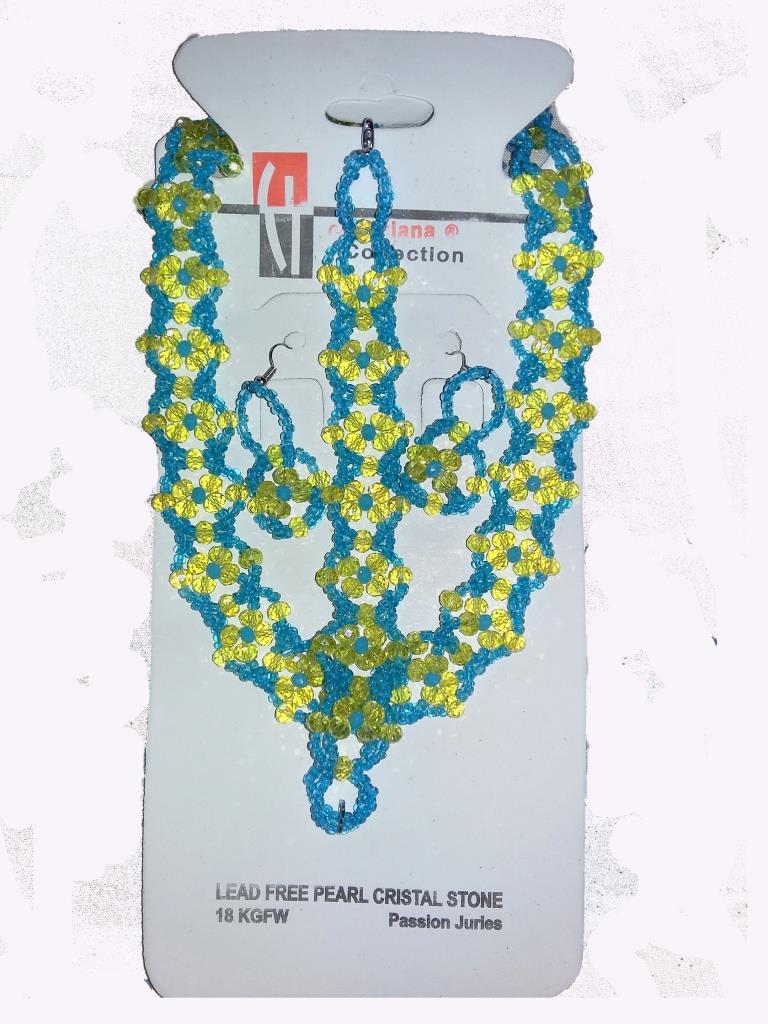
BEAUTIFUL jewelry that suits you in every aspect! call 08026702314